

Why You Should Massage Kale for Salad

We all know someone who proudly claims they don’t like kale. In my home, that person was my husband. He thought the tough leaves were way too much work to chew.
He was right. Unmassaged kale tastes fibrous, stiff, and slightly bitter.
Then I learned how to massage kale from a local chef, and everything changed. I like to think of it as “pre-chewing” the greens with your hands so your jaw doesn’t have to do all the heavy lifting later.
Working the leaves with a bit of oil or acid:
- Softens their texture by breaking down tough woody fibers (aka cellulose) and fibrous texture, turning tough kale into tender, easy-to-chew greens.
- Helps release bitter compounds that make raw kale taste harsh.
- Makes digestion easier, since softened leaves are gentler on the stomach.
The good news is that it takes just a few extra minutes but makes a world of difference, and let me tell you, once you take that first bite from your massaged kale salad, you will never go back. Guaranteed.
Ingredients You’ll Need to Massage Kale
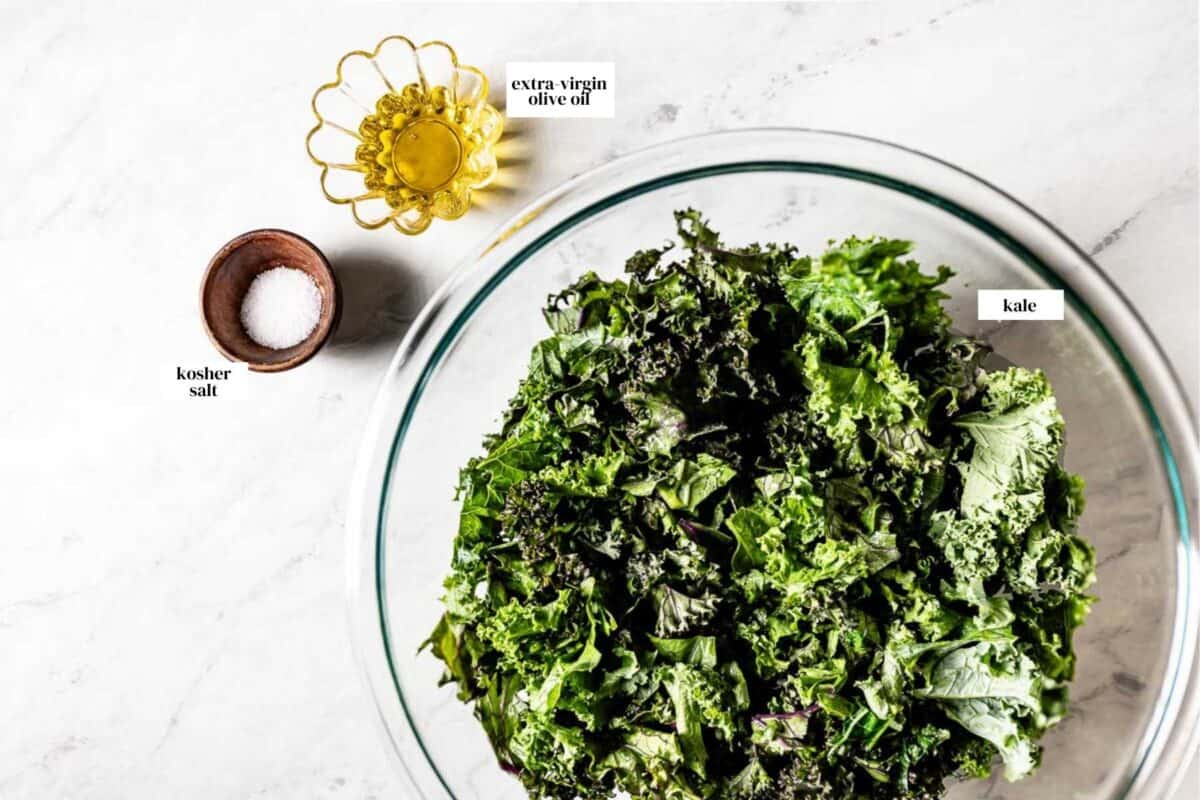
To prepare raw kale for massaging, you’ll need three simple ingredients: kale, olive oil, and kosher salt. You can find the exact measurements of the ingredients in the recipe card below, but here are a few important notes from my testing:
The best kale for massaged kale salads: I get it; it is confusing because nowadays most well-stocked grocery stores in the US carry various kale varieties, the most popular being Tuscan kale (also known as lacinato kale and dinosaur kale) and curly kale.
And it gets even more complicated with so many different types of kale, especially if you are a novice gardener growing your own.
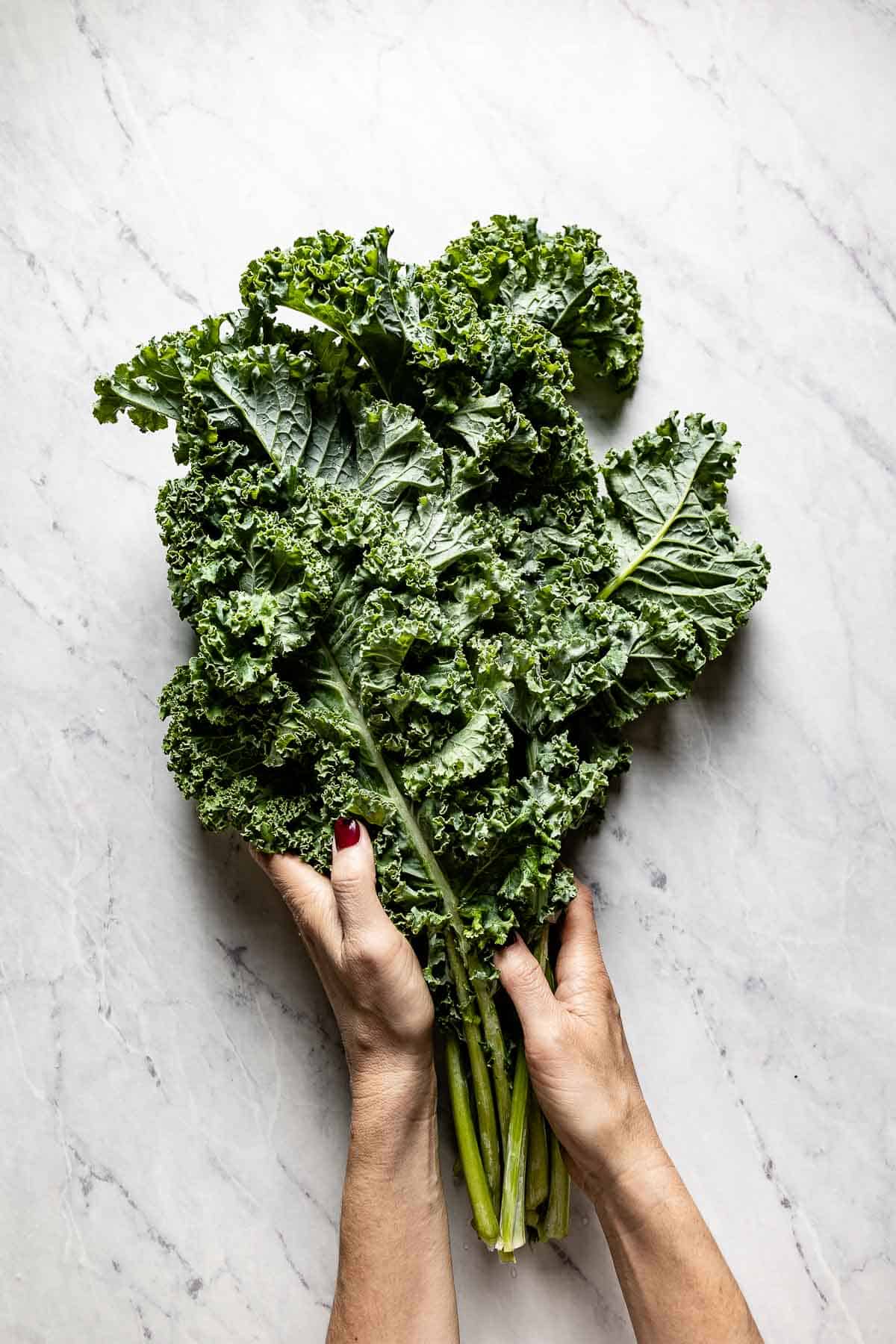
The good news is that I find the best kale for massaging and using in a salad recipe is curly kale, the most common type you can find in any supermarket.
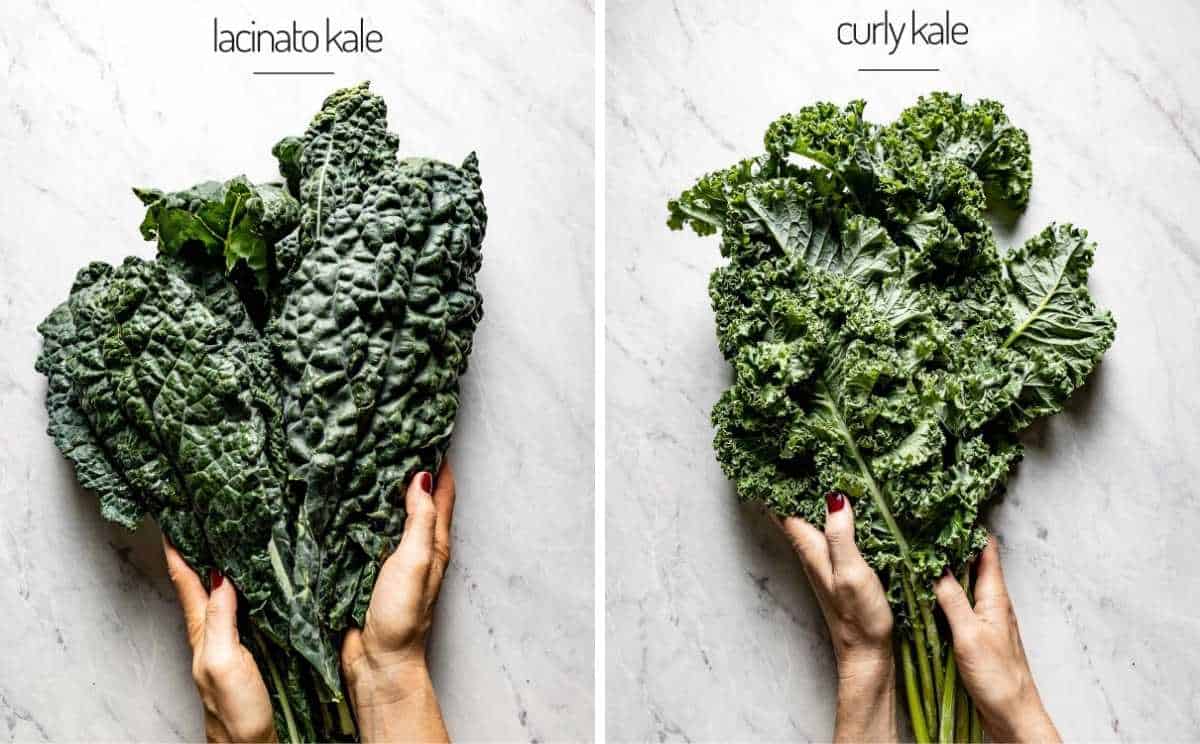
I also prefer curly kale because it offers more body than the other common kale varieties, giving you more bang for your buck.
That said, Tuscan kale has a gentler flavor and will also work for this recipe.
The only other type of kale I do not recommend is baby kale because its tender leaves will not withstand the massaging process.
For the best results, choose crisp, vibrant leaves. Older or wilted kale (yellow-ish leaves rather than bright green ones) is tougher and won’t tenderize as easily.
Olive oil: I always opt for a good-quality extra-virgin olive oil to soften my kale, but this simple recipe would work with any oil you have on hand. My other favorite one is avocado oil.
Kosher salt: You can also use sea salt. Salt also helps break down the kale’s fibers more quickly, making the leaves soften, so do not skip it.
How to Massage Kale (Step-by-Step)
When it comes to massaging kale, you can do it with or without oil. I personally prefer using a small amount of oil, but if you are trying to limit your fat intake, you can totally do it without oil. Here is how I do it:
Massaging With Oil (or a Salad Dressing):
Learn how to soften kale and prepare it as a base for the most delicious massaged kale salads in five easy steps:
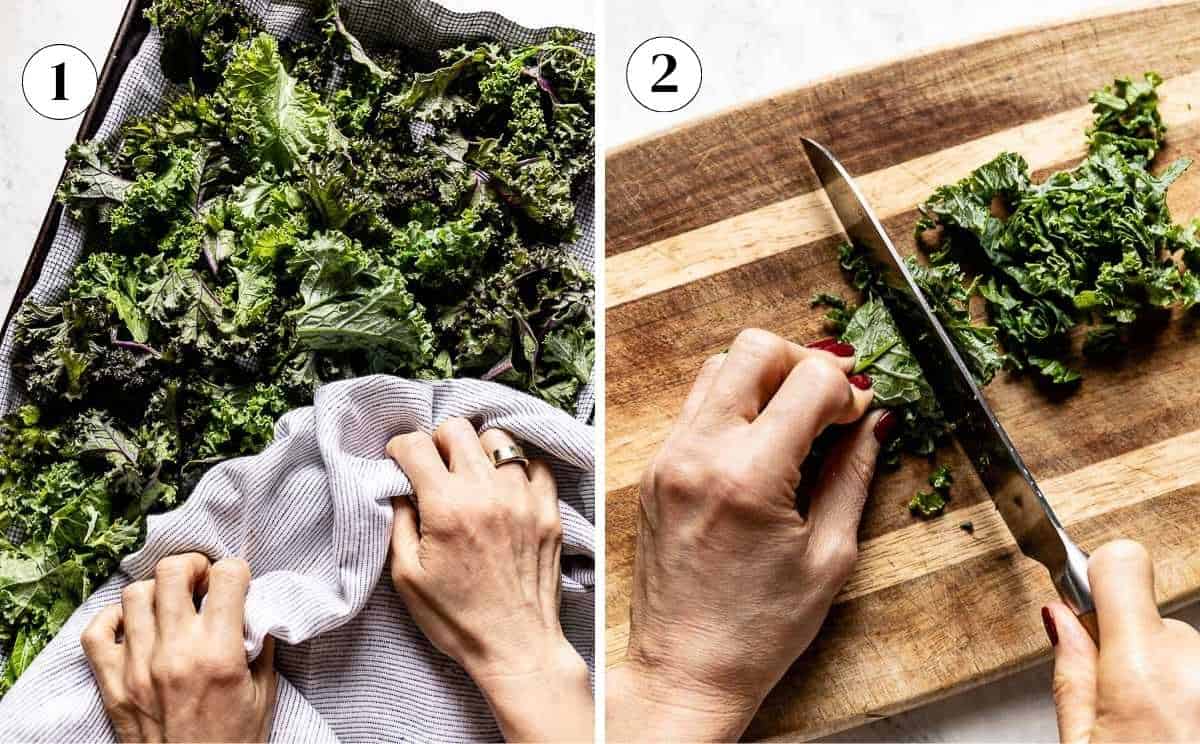
Step 1 – Wash the kale: Rinse the large kale leaves under cold running water to remove any dirt or debris. Alternatively, you can fill a bowl with water fitted with a colander, soak the kale in it for a few minutes, and drain.
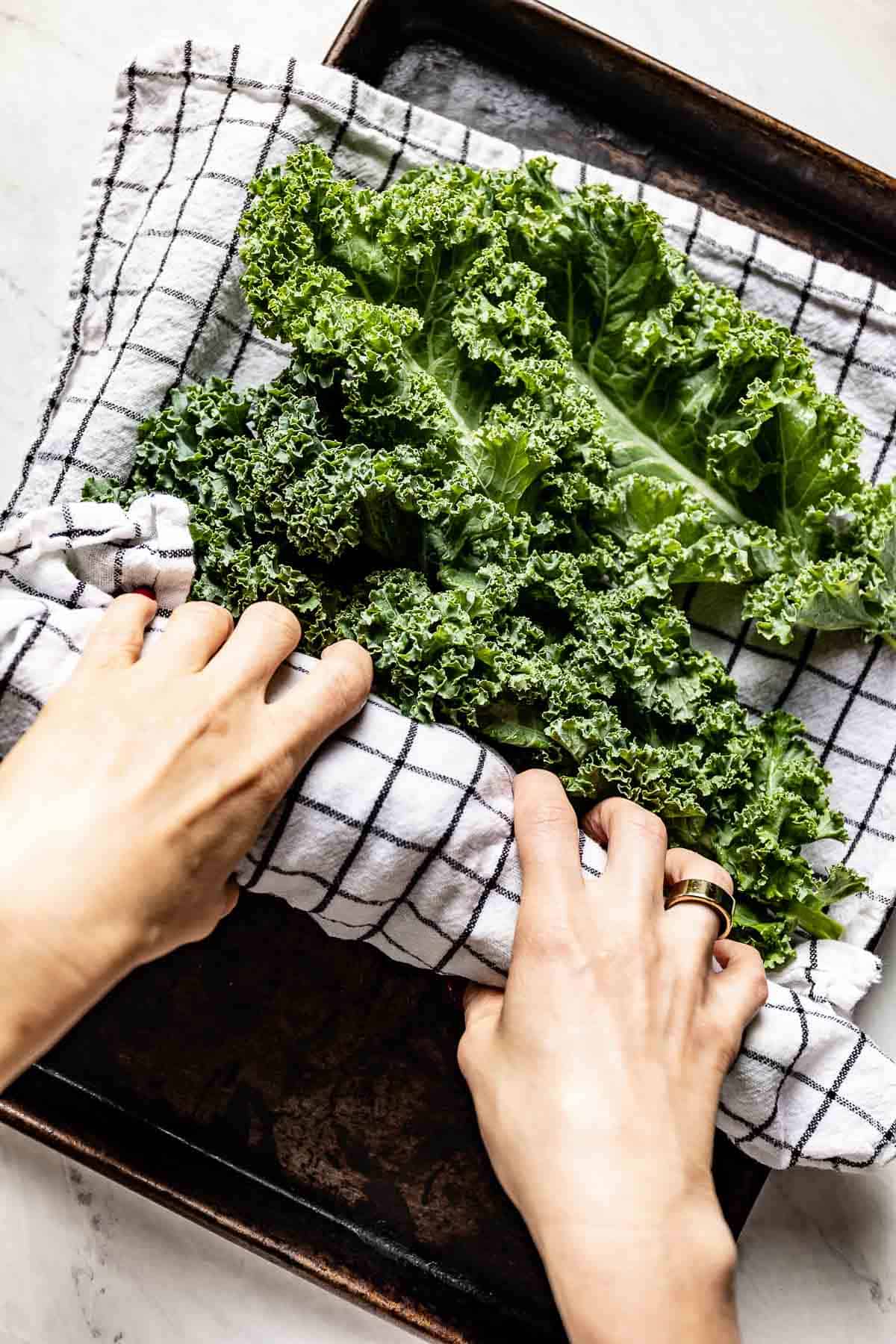
Then, place the wet kale leaves on a clean kitchen towel, and use another towel (or paper towels) to dry them as much as possible.
And yes, if you have a salad spinner, you can use that too.
Step 2 – Chop the kale: You can use your hands or a sharp knife to chop the kale into bite-sized pieces. A trick I do is to remove the leaves from their fibrous stems by running the stems through my closed fist. Or, you can slice the kale leaves away from their stems on a cutting board.
If you’d like a full walkthrough, check out my beginner’s guide to cutting kale for more tips and photos.
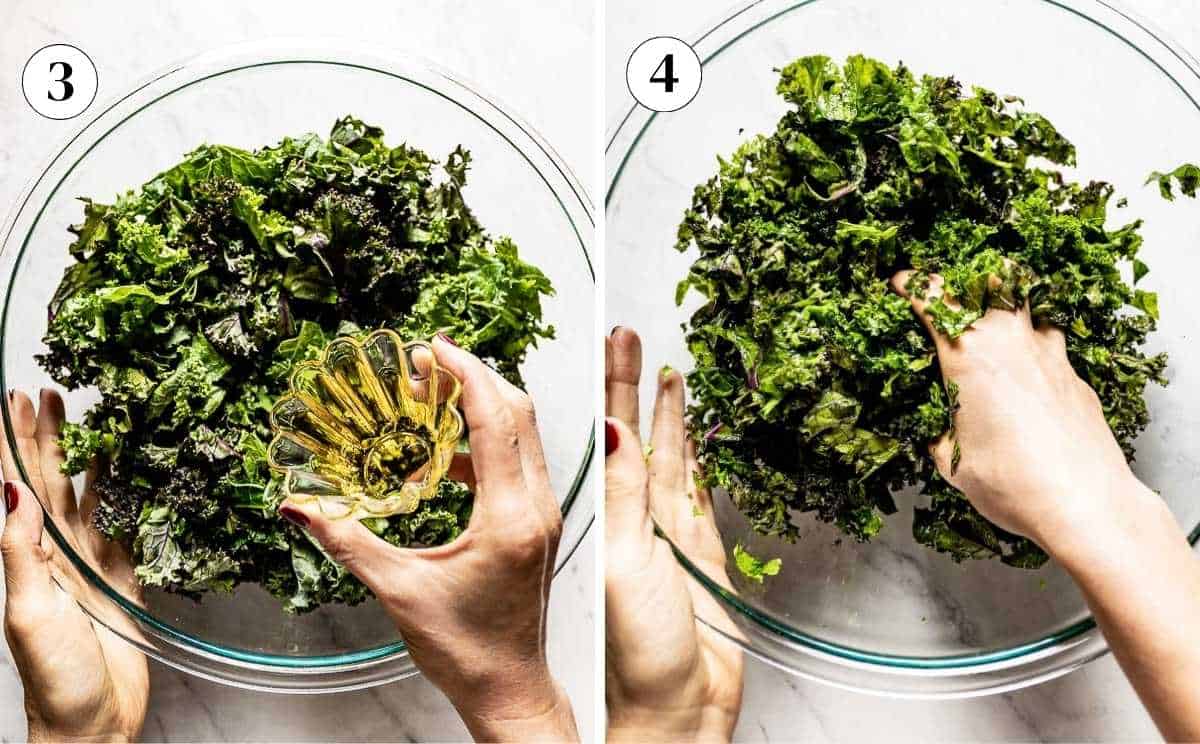
Step 3 – Add a drizzle of olive oil: Add the chopped kale to a large mixing bowl, and drizzle the leaves with olive oil. I also like to add a pinch of salt to season them as I give them a massage.
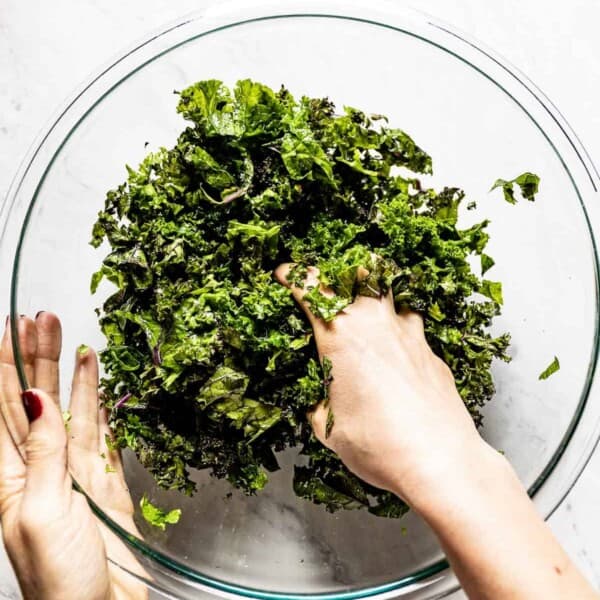
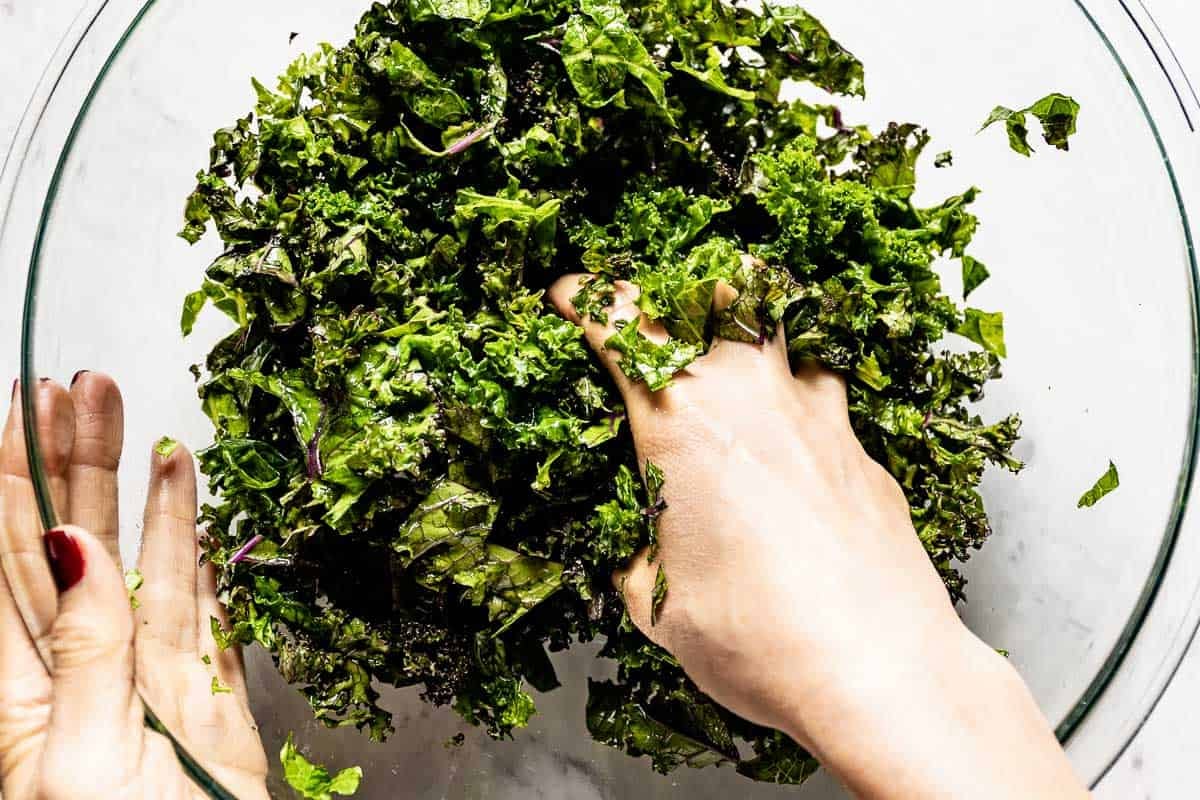
Step 4 – Massage the kale: Use your clean hands to massage the kale with olive oil for 1-2 minutes. Make sure to turn the small pieces frequently so they soften evenly.
Visual Cue: You’ll know you have massaged it enough once the leaves turn darker (more of a vibrant dark green) and the overall volume has reduced by about one-third.
Step 5 – Enjoy: Once the leaves soften and darken, your massaged kale is ready to be enjoyed.
Massaging without Oil:
Alternatively, if you don’t want to use any oil, you can still soften kale using a simple method. Depending on the flavor profile of your salad recipe, you have two options:
- Use an alternative fat: If you don’t want to use olive oil, avocado makes a natural, mild substitute. It’s what I use in my Kale Avocado Salad. You may also want to try other earthy options, such as nut or seed butter, unsweetened tahini, or unsweetened peanut butter.
One small ripe avocado or one tablespoon of your favorite nut or seed butter is all you need. The process is pretty much the same; gently massage your kale with these substitutes until the leaves are softened. - Add an acidic ingredient: Acidic ingredients can also help soften raw kale. Simply massage a tablespoon of vinegar (I suggest apple cider vinegar), fresh lemon juice, or citrus juice into your chopped kale.
Expert Tips for Tender Kale Every Time
Now that you know how to make kale tender for a salad, here are a few things to keep in mind:
Add the dressing gradually: Start with a small amount of dressing or oil. You can always add more once the kale softens. If you add too much at the start, the salad will be weighed down and become soggy.
Don’t over-massage: Avoid over-massaging the raw leaves. All you need is 1-2 minutes of massaging for it to become soft. If you massage them for too long, they might turn mushy and lose their volume.
Make sure the kale is fully dry: Do your best to ensure it is thoroughly dried before beginning the massaging process. If you’ve ever made a salad dressing, you’ll know water and oil don’t mix. As a result, any leftover moisture on the leaves will act as a barrier, preventing the fat from entering the cell walls and making them tender. Therefore, the drier the leaves are, the better they’ll absorb the oil.
Kale shrinks as you massage it: Keep in mind that as you massage kale leaves, they will become softer and get smaller in size. When I am massaging kale for salads as a side dish, I use one bunch for 4 servings. If I am serving it as a meal on its own, I usually use 2 bunches of kale.
Save the kale stems for vegetable stock or chicken stock: Instead of tossing them, add your leftover kale stems to your next batch of stock. They add great depth and help reduce kitchen waste.

How to Massage Kale
Ingredients
- 1 bunch curly kale
- 3 teaspoons olive oil
- kosher salt, optional
Instructions
- Wash and dry the kale: Rinse kale under cold running water until no dirt or debris is left. Place kale leaves on a clean kitchen towel. Using another towel (or paper towels), dry kale leaves as much as you can.*
- Chop the kale: Remove leaves from kale stems either with your hands or using a knife. Chop kale leaves into small bite size pieces. Save the kale stems for your next chicken or vegetable stock, or discard them.
- Add oil and salt: Transfer chopped kale into a large salad bowl. Drizzle with olive oil and sprinkle with salt if using.
- Massage the kale: Using clean hands, massage (gently rub) kale leaves for 2-3 minutes turning often to make sure all kale leaves are softened, it has turned dark green, and lost about 1/3 of its volume.
- Serve: Use in your favorite kale salads* or other recipes.
Notes
- *Alternatively, you can use a salad spinner to dry the kale leaves.
- *Want to massage kale without using any oil? Here are two other options to help you soften/tenderize kale for salads:
- Use an alternative fat: Try adding other fats such as a ripe avocado, nut or seed butter, unsweetened tahini, or unsweetened peanut butter. I would usually use 1 small, ripe avocado and 2 tablespoons of nut butter per kale bunch.
- Add an acidic ingredient: Acid-based ingredients are fantastic substitutes when you want to prepare kale raw. Simply massage a tablespoon of vinegar (I suggest apple cider vinegar), fresh lemon juice, or citrus juice into your chopped kale.
- Storage: If you have leftovers or are massaging kale as a part of your meal prep, simply place it in an airtight container in the fridge. It will stay fresh for 3-4 days.
Nutrition
Nutrition information is automatically calculated, so should only be used as an approximation.
Recipe Ideas To Use Your Massage Kale In Salads:
Now, at this point, you are probably wondering about ways to use your massaged kale in your daily cooking. So, here are a few of my favorite kale salad recipes to serve throughout the week:
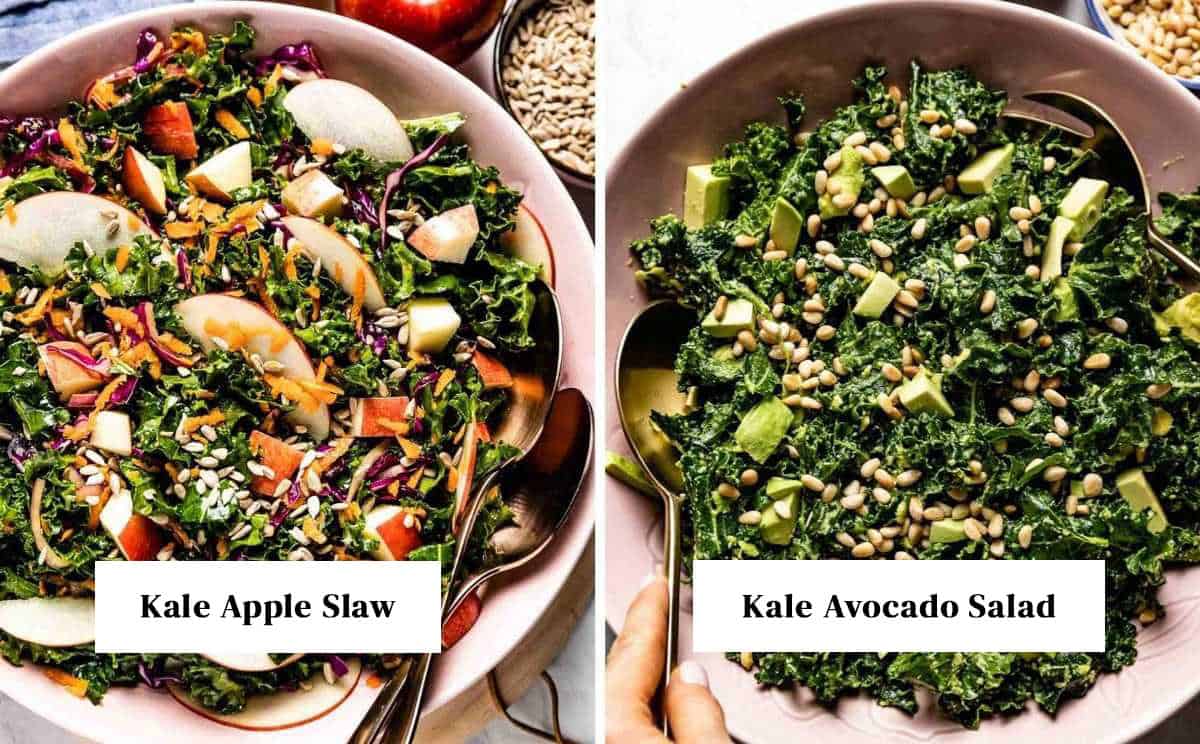
Kale Apple Slaw (pictured in the photo above on the left)
Serves: 4
Time commitment: 15 minutes
Why I love it: Savory, sweet & crunchy all at the same time
If you have never tried the kale and apple combo, you are in for a treat. This crunchy slaw comes together in minutes with crisp apples, shredded, massaged kale, crunchy sunflower seeds, and a quick, homemade, tangy dressing.
Serves: 4
Time Commitment: 15 minutes
Why I love it: Vegan recipe, A great side dish with any main dish
This recipe uses a ripe avocado to massage the kale. It is made with just a few basic ingredients and it stores well, in case you want to make it as a part of your weekly meal prep.

Harvest Kale Salad
Serves: 6
Time commitment: 20 minutes
Why I love it: Special occasion worthy, Easy to make
This is my most popular fall salad recipe, especially on Thanksgiving. This massaged kale salad, mixed with dried figs, apples, toasted nuts, and creamy goat cheese, is not only filling and delicious but also a showstopper.
Serves: 6
Time commitment: 20 minutes
Why I love it: Make Ahead Friendly, Great for the holiday season
Massaged kale mixed with the shredded sprouts makes a great green salad. I used a light white-wine vinaigrette and topped it with maple-roasted pecans and juicy pomegranate arils for a bit of color and crunch.
Serves: 6
Time commitment: 20 minutes
Why I love it: Beginner-friendly, visually impressive
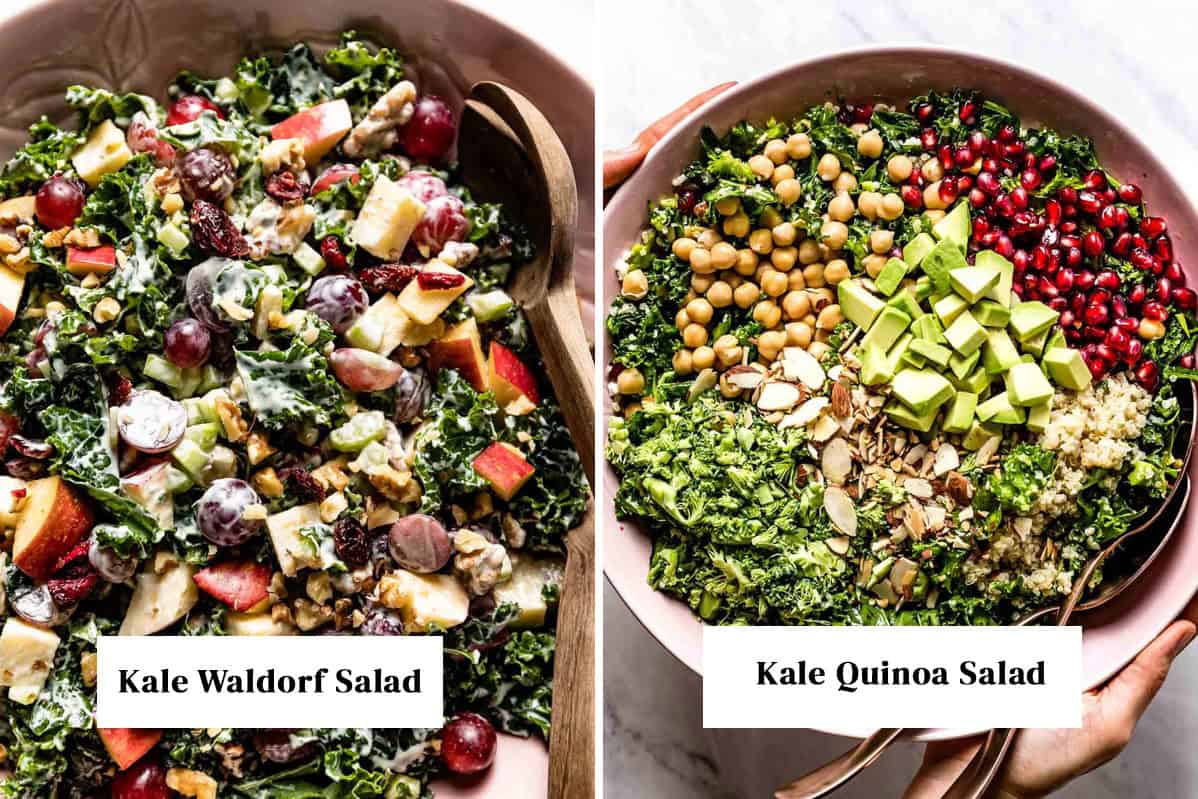
The classic American Waldorf Salad made with massaged kale! Packed with grapes, apples, and walnuts, this spin on the classic is surprisingly delicious.
Serves: 6
Time commitment: 20 minutes
Why I love it: High in plant protein, Great for meal prep (it stores well)
Massaged kale mixed with fluffy quinoa, creamy avocado, and roasted chickpeas, this is one of my favorite winter lunch recipes. You can serve it on its own or with some baked chicken breast on top for extra protein.
FAQs
Massaged kale will keep well for 3 to 4 days when stored in an airtight container in the refrigerator. If you’re meal prepping, wait to add the dressing until just before serving for the freshest texture.
Though cooking kale for salad is an option, you don’t have to cook kale to use it in a salad. If the raw leaves taste bitter or feel too firm, a quick 1 to 2-minute massage will soften them and make them easier to eat.
Yes, massaging the leaves helps break down some of the kale’s natural bitter taste. As the leaves soften, their flavor mellows and becomes noticeably more pleasant.
No, there’s no need to rinse your massaged kale before adding it to your favorite recipes. Simply add the tenderized leaves to a salad bowl and top them with your favorite dressing.
Usually, 1 to 2 minutes is enough. Stop once the leaves darken, soften, and reduce in volume, as over-massaging can make the kale too limp.
Absolutely. Massaged kale holds up very well in the refrigerator and stays tender for several days, which makes it ideal for meal prep. Store it in the refrigerator, in a sealed container, for up to 3 to 4 days.
If the leaves become too limp, add a handful of fresh, un-massaged kale to the bowl and toss to balance the texture.
How to Store Massaged Kale
Unlike other, more delicious salad greens like baby spinach or Romaine, massaged kale does not go limp or soggy. In fact, it often tastes better the next day as the flavors meld.
Whether you’re making a big batch for salads for your weekly meal prep or massaging just enough for tonight’s dinner, here’s how to keep it fresh and ready to use:
Make ahead: You can wash, dry, and chop the kale up to a week in advance. Store the dry, prepped leaves in an airtight container lined with a paper towel to absorb any excess moisture.
When you’re ready, simply massage the kale with oil, dressing, or your acidic ingredient of choice. I usually do this on Sundays and add it to lunches throughout the week.
Storing massaged kale: Once the kale is massaged, place it in an airtight container and refrigerate. It usually stays fresh for 3 to 4 days without losing its texture.
If you’re new to storing kale and want to learn more about washing, blanching, or freezing it, be sure to check out my guide on how to store kale.
This post may contain affiliate links. If you purchase through these links, I may earn a small commission, at no additional cost to you.











I am sooo glad to know this info on kale. I really love it and knowing how to prepare it this way is very helpful! Thank you
Su 🙂
YAY! So happy that you found this helpful Su!
Thank you for the information. It is very helpful.