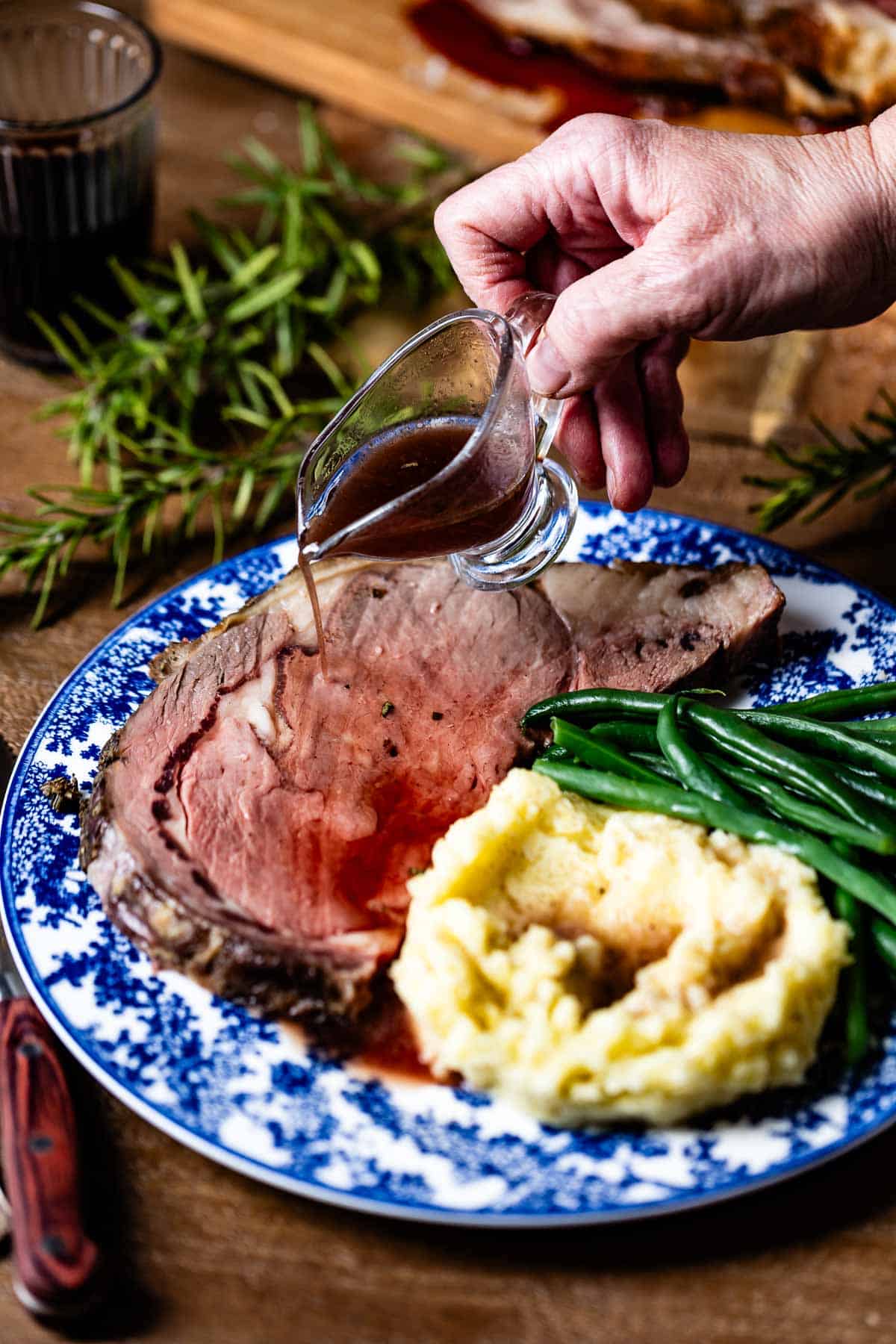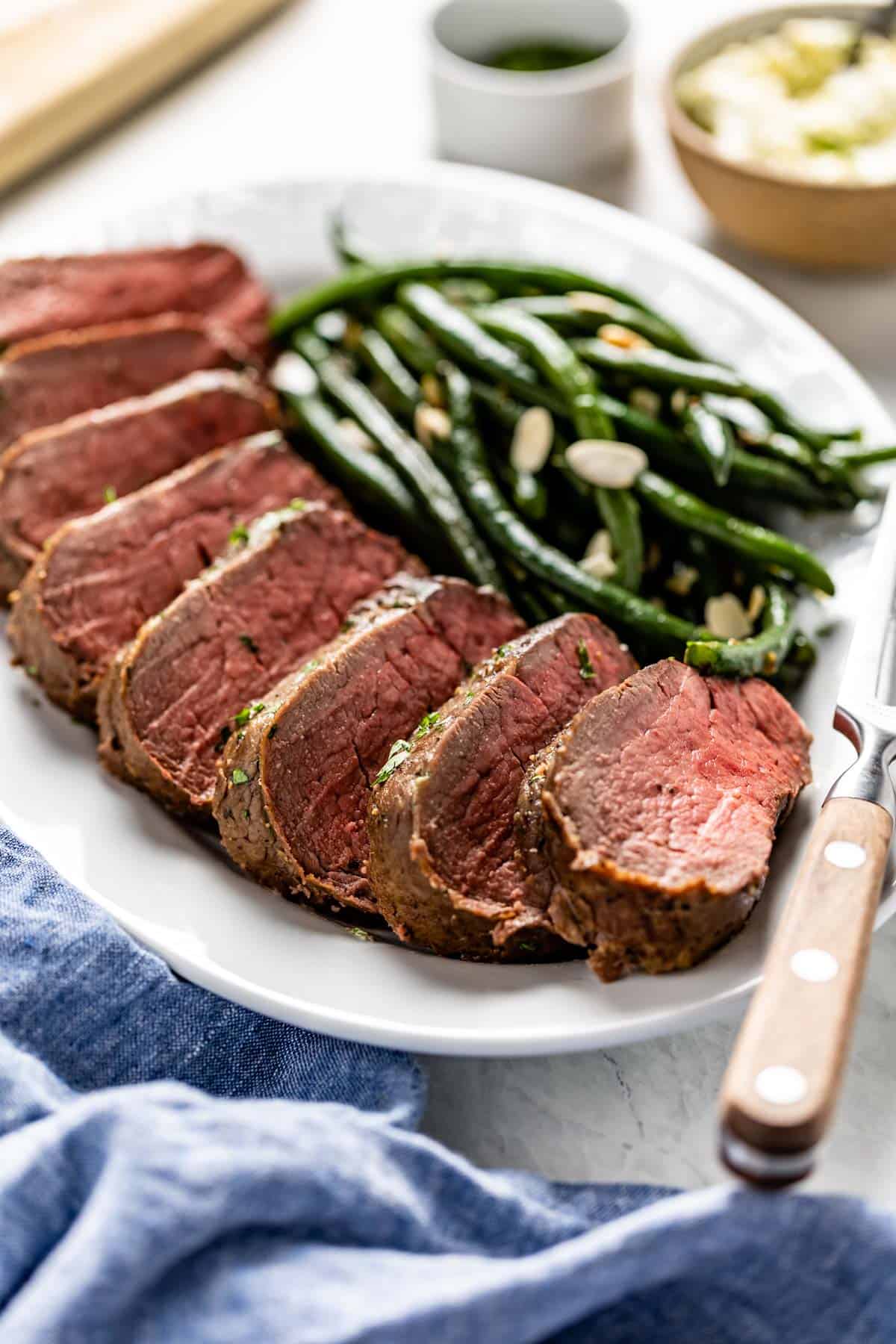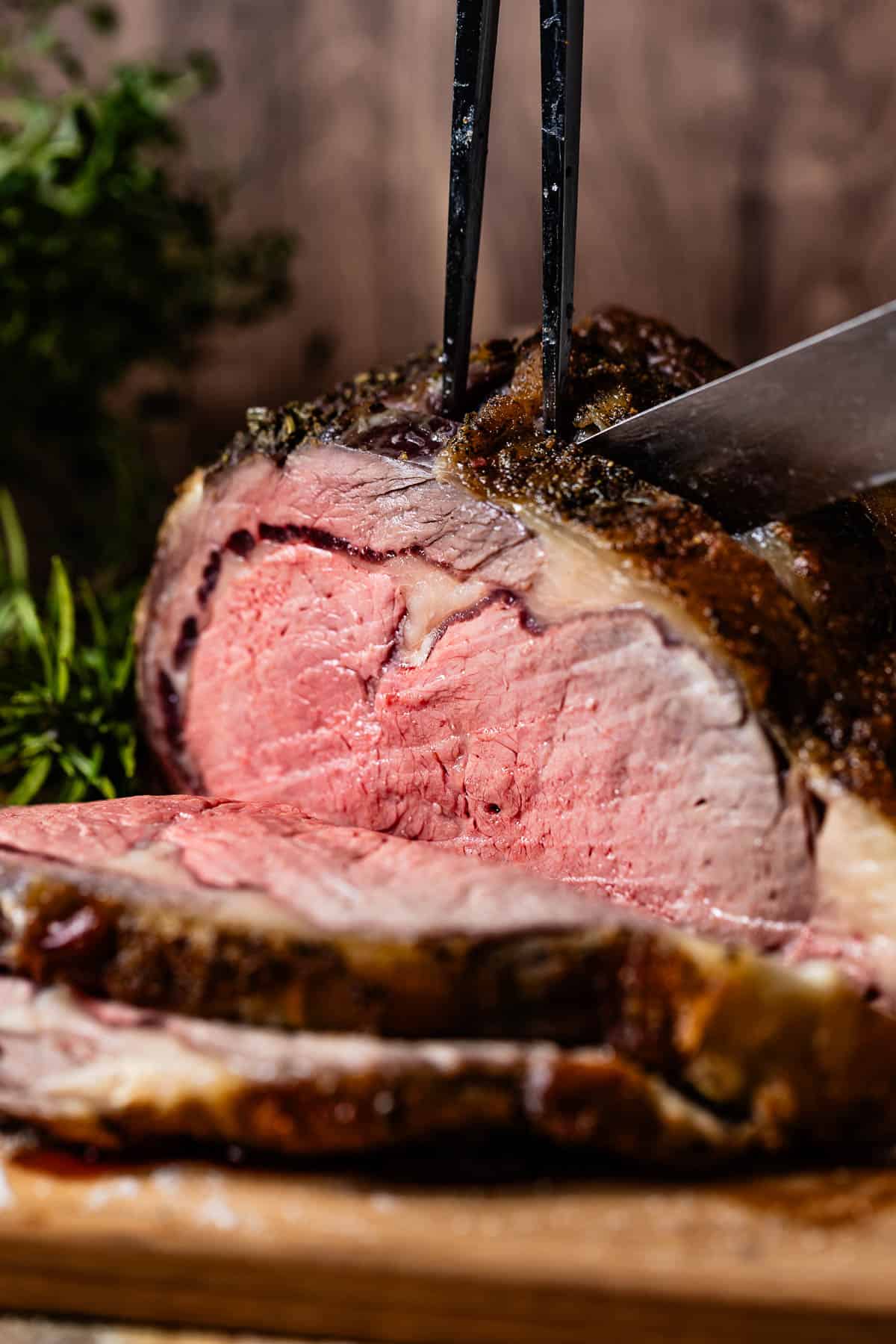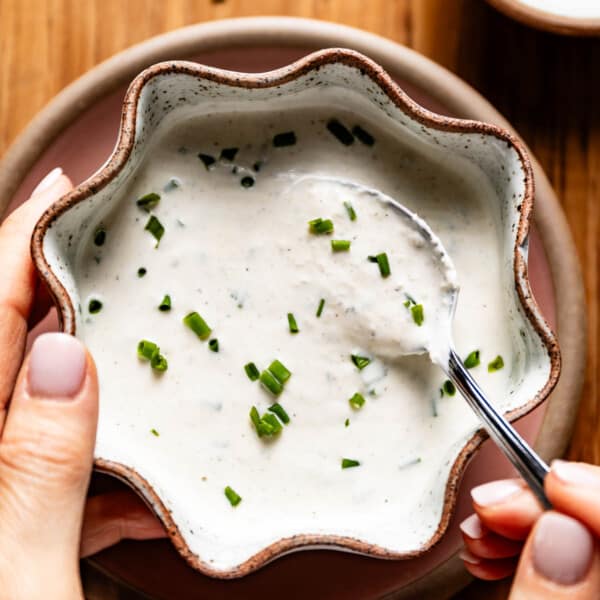

Like many people, I have a handful of go-to recipes I rotate through at Christmas. It’s usually a toss-up between prime rib, beef tenderloin, or a cozy pot roast.
No matter which one ends up on the table, this creamy horseradish sauce is the one thing I always make to serve alongside it.
It’s the kind of sauce you’d expect at a steakhouse, but once you make it yourself, you’ll see how easy it is.
The best part is that it doesn’t stop at Christmas dinner. The next day, I use it as a spread for sandwiches, which feels like a little bonus.
Horseradish Sauce Ingredients
You only need seven simple ingredients to make this horseradish sauce.
Below, you’ll find everything you need, along with a few substitution ideas and optional add-ins to customize it to your taste:

Prepared horseradish: Often labeled as “prepared horseradish” or “grated horseradish in vinegar,” it is usually found in the refrigerated section of the grocery store in a small jar.
It’s made by grating fresh horseradish root and preserving it in vinegar, which tames its strong flavor.
If you grow horseradish at home or want to make it with fresh horseradish, you can make this recipe from scratch. Just keep in mind that homemade horseradish tends to be much stronger, so you may have to adjust your recipe accordingly.
Sour cream: I like to use sour cream for its gentle tang and creamy texture, which helps balance the sharpness of the horseradish. I recommend using full-fat sour cream, as it gives the sauce a smoother texture.
Mayonnaise (optional): This adds a bit of extra creaminess and mild tang to the sauce. It is optional, so you can leave it out if you prefer a lighter horseradish sauce or want to keep the flavors more straightforward.
Dijon mustard (optional): Most horseradish sauce recipes don’t include Dijon mustard, but I love that a small amount (1 teaspoon) adds an extra layer of complexity to the sauce. However, you can omit it if you prefer.
Apple cider vinegar: This is a great way to balance the richness of this sauce. However, white wine vinegar, lemon juice, or champagne vinegar would also work.
Chives: Chives add a mild onion note and a bit of freshness to the sauce. If you don’t have chives on hand, you can use scallions.
Seasonings: A simple mix of salt and black pepper is all you need to bring out the horseradish’s natural flavors.
Substitutions and Optional Add-Ins
Greek yogurt: If you prefer to make a horseradish sauce recipe without sour cream, you can use ½ cup of Greek yogurt for a lighter sauce. Or better yet, try my horseradish yogurt sauce for a recipe that uses no mayo or sour cream.
Crème fraîche: If you like a richer finish, ½ cup of crème fraîche is another great substitute for sour cream.
Heavy cream: For a milder, less tangy version, you can replace the sour cream with heavy cream.
Worcestershire sauce: If you want a bit more depth, add up to ½ teaspoon to the sauce.
Sweetener: To make it slightly sweeter (similar to Arby’s-style sauce), stir in 1-2 teaspoons of sugar or honey to taste.
Prepared Horseradish vs Fresh Horseradish: What Works Best for Sauce
If you’re wondering whether to use prepared horseradish or fresh horseradish root, here’s a quick breakdown:
Prepared horseradish is grated horseradish root preserved in vinegar. It’s what’s most commonly used in horseradish sauce recipes and is typically sold in small jars in the refrigerated section near the condiments or produce.
I prefer using prepared horseradish here because you’ll get consistent heat and flavor, and let’s face it, it is quick and easy.
Fresh horseradish would also work, but keep in mind that it is significantly stronger than the prepared horseradish you’d buy at the store. So, start with 1 tablespoon of freshly grated horseradish, taste, and adjust as needed.
Freshly grated horseradish can quickly overpower the sauce, so a little goes a long way.
How to Make Horseradish Sauce
If you’ve never made horseradish prime rib sauce at home, you’ll be happy to know it comes together quickly and requires no special equipment.
I’ve tested this ratio many times, and whisking everything by hand gives you the smoothest, most balanced sauce.
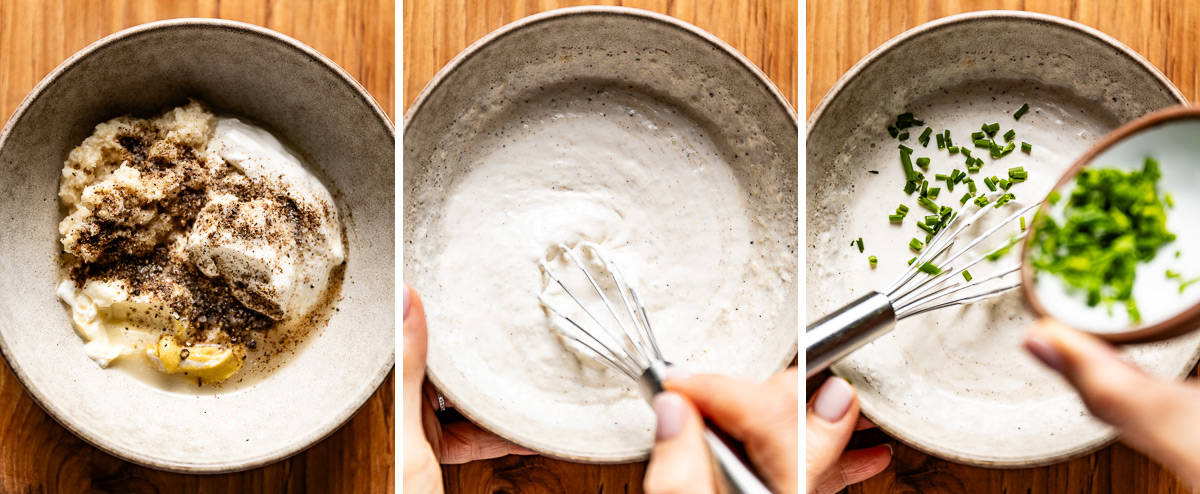
Step 1 – Whisk the base ingredients: Add the prepared horseradish, sour cream, mayo, apple cider vinegar, Dijon mustard, salt, and black pepper to a medium bowl.
Whisk until the mixture is completely smooth and well combined. Take a quick taste and adjust the seasoning if needed. The sauce should be creamy with a noticeable but balanced horseradish kick.
Step 2 – Fold in the chives (optional): If using, gently stir in the chopped chives or scallions. This adds a subtle onion note and a bit of freshness without overpowering the sauce.
Serve right away, or refrigerate until ready to use.
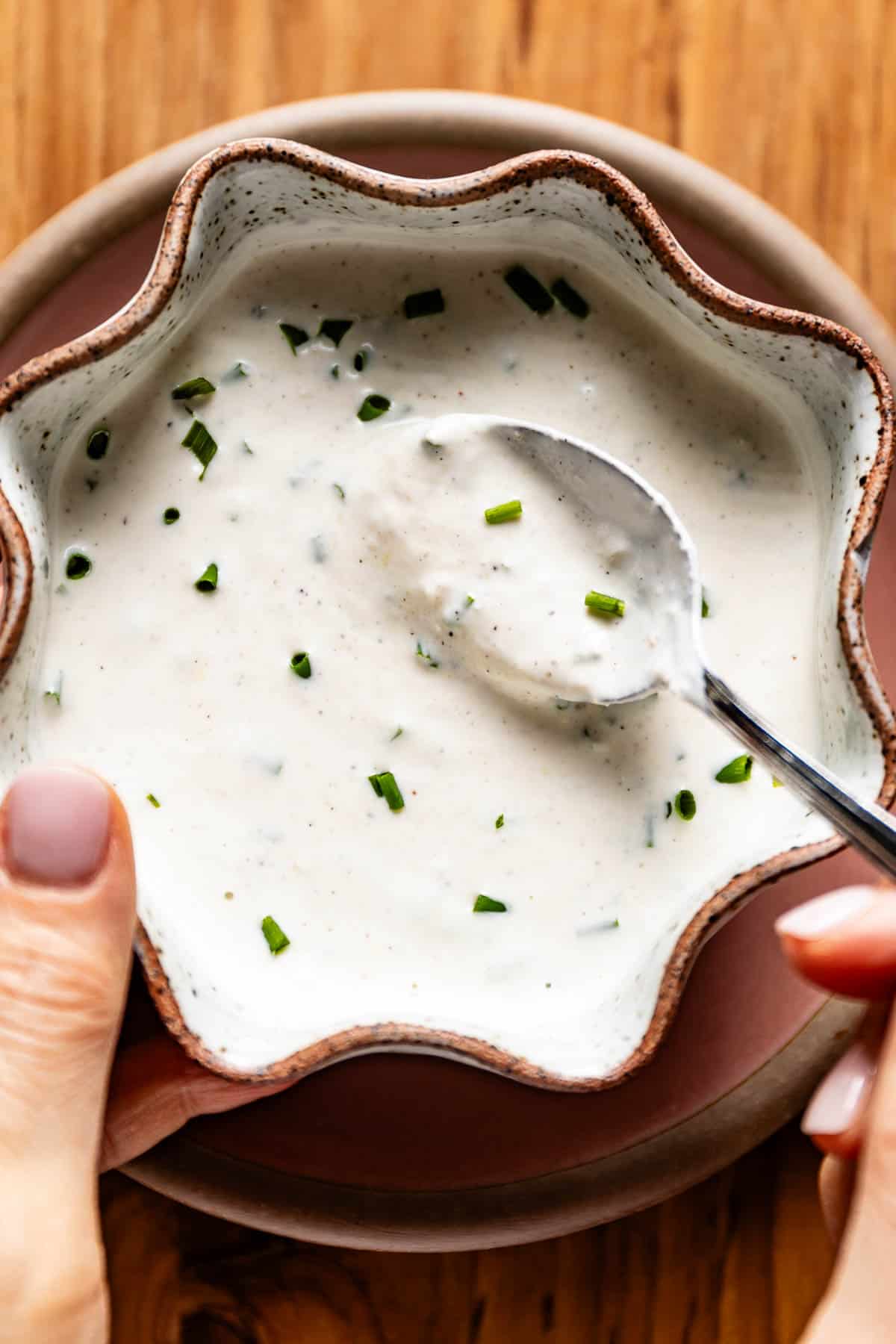
Expert Tips for the Best Horseradish Sauce
While this is a simple sauce, a few small adjustments can make a big difference in both its taste and how well it pairs with your meal.
Here’s what I’ve learned through years of making this recipe:
- Adjust based on what you’re serving: One of the benefits of making horseradish cream sauce at home is its ease of customization. If you want to make it steakhouse-style and serve it with rich dishes like roast beef or prime rib, increase the prepared horseradish to 4 tablespoons for a bit more kick. For sandwiches, burgers, or roasted vegetables, I recommend using 2-3 tablespoons to keep the sauce milder so it doesn’t overpower the other ingredients.
- Taste before serving: Always give the sauce a final taste and adjust the seasoning as needed. This is especially important if the sauce has been refrigerated, as flavors can mellow slightly over time.
- Let it rest if you can: While this sauce is ready to use in about 5 minutes, letting it sit in the refrigerator for at least 30 minutes makes a big difference, as it helps the flavors come together.
- Stir before serving: Because this sauce contains both dairy and vinegar, some separation is normal. A quick stir before serving ensures an even texture and balanced flavor.

Horseradish Sauce for Prime Rib Recipe
Ingredients
- 3 tablespoons prepared horseradish, aka jarred horseradish
- ½ cup sour cream, full-fat
- 1 tablespoon mayonnaise, full fat
- 1 teaspoon apple cider vinegar
- 1 teaspoon Dijon mustard
- ½ teaspoon kosher salt
- ¼ teaspoon ground black pepper
- 1 tablespoon chives or scallions, chopped – optional
Instructions
- In a medium-size bowl, whisk together the prepared horseradish, sour cream, mayonnaise, apple cider vinegar, Dijon mustard, salt, and pepper until fully combined.
- Gently stir in the chopped chives, if desired. Taste for seasoning and add more if necessary. Serve.
Notes
- Yields: This recipe makes 3/4 cup horseradish sauce, which is ideal for 6-7 servings. The calorie information below is per serving.
- Prepared Horseradish: Also known as jarred horseradish, you can buy prepared horseradish from your grocery store. You can make this recipe using grated fresh horseradish, but if you go in that direction, I would recommend starting with 1 tablespoon of it (and increasing it from there), as the fresh variety has a more potent flavor.
- Make Ahead: You can make this recipe 2 days ahead and keep it in the fridge in an airtight container. Just be sure to give it a good stir before serving.
- Storage: Place in an airtight container (or a mason jar) and refrigerate for up to 7 days.
- Freezing: Place it in resealable freezer-safe bags or ice cube trays (in smaller portions) and freeze for up to 3 months. Thaw in the fridge a few hours before you are ready to serve it.
Nutrition
Nutrition information is automatically calculated, so should only be used as an approximation.
Make Ahead, Storage, and Freezing
This horseradish sauce is easy to make ahead and stores well, making holiday prep a little easier. Here’s how I do it:
How to make ahead & store: Transfer your prepared horseradish sauce to an airtight container or a mason jar. It will stay fresh in the refrigerator for up to a week.
I recommend stirring the mixture before serving, as the ingredients tend to separate.
How to freeze: While some people recommend against freezing dairy-based sauces due to separation, I have found that a quick 30-second whisk after thawing re-emulsifies the sauce well. For easy portioning, freeze the sauce in an ice cube tray. Once frozen, remove the frozen cubes from the mold and transfer them to a freezer bag. They should keep well for up to 3 months.
FAQs
Horseradish sauce has a creamy, tangy base with a noticeable sharpness from the horseradish. The heat is present but balanced by the dairy.
Prime rib is rich and well-marbled, and horseradish sauce helps cut through that richness. The sharpness of the horseradish and the creaminess of the sauce create contrast, which keeps each bite from tasting too heavy.
Yes. The mayonnaise in this recipe is optional; I use it mainly for added tangy flavors. You can leave it out and still end up with a well-balanced horseradish sauce.
When stored in an airtight container, it will keep well in the refrigerator for up to one week. Give it a quick stir before serving, as it might separate.
Not really. It can mellow slightly as it rests, which is why I recommend giving it a good stir, tasting before serving, and adjusting if needed.
What to Serve Horseradish Sauce With
This creamy horseradish sauce pairs well with a wide range of dishes, from classic beef recipes to more unexpected uses.
Here are a few of my favorite ways to enjoy it:
Classic Pairings
Horseradish sauce is a natural match for beef, and it’s especially popular as a prime rib dipping sauce, since its sharpness balances the richness of classic holiday meat dishes. Here are a few of the classic ways I like to serve it:
- Spoon it alongside Prime Rib (with Au Jus), Beef Tenderloin, or Filet Mignon for a classic steakhouse-style pairing.
- It’s also excellent with Pot Roast, adding a little contrast to the slow-cooked meat.
Everyday Pairings
- Sandwiches and burgers: Use it as a spread for a leftover Prime Rib Sandwich or add it into burgers, like my Bacon Avocado Burger, for extra creaminess.
- Roasted or grilled vegetables: Serve this creamy horseradish recipe as a dip or topping for roasted vegetables or a baked potato for an easy, elevated side dish.
- Crudité: This creamy sauce makes a great spicy dip to serve as a part of crudité platters, meat, or cheese boards.
Less Traditional Ideas
- Seafood: Horseradish sauce for salmon pairs surprisingly well with richer seafood dishes, such as Baked Sockeye Salmon or Grilled Sockeye Salmon.
- Bloody Marys: Stir in a small dollop to add a little extra depth and spice.